no experience

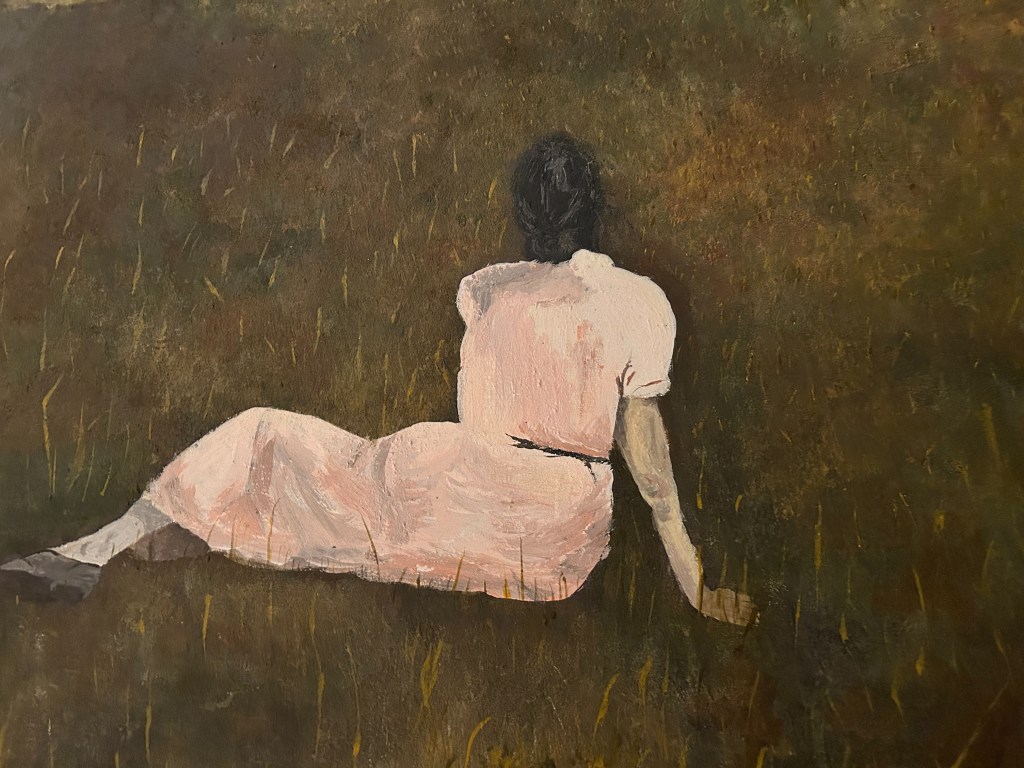
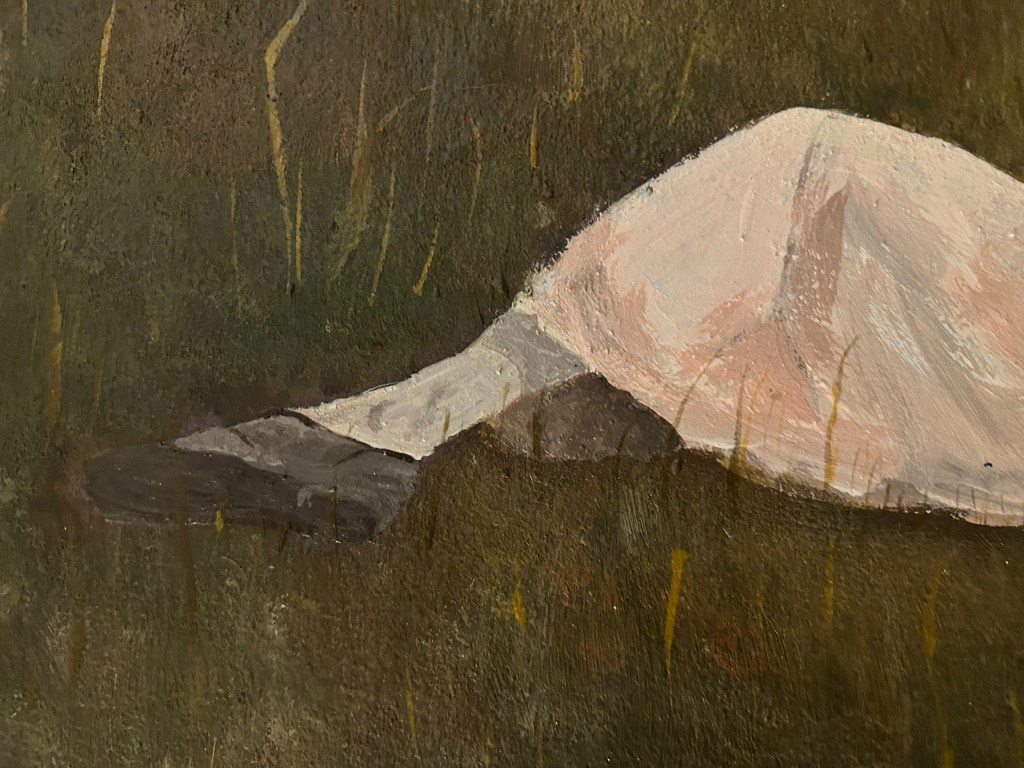
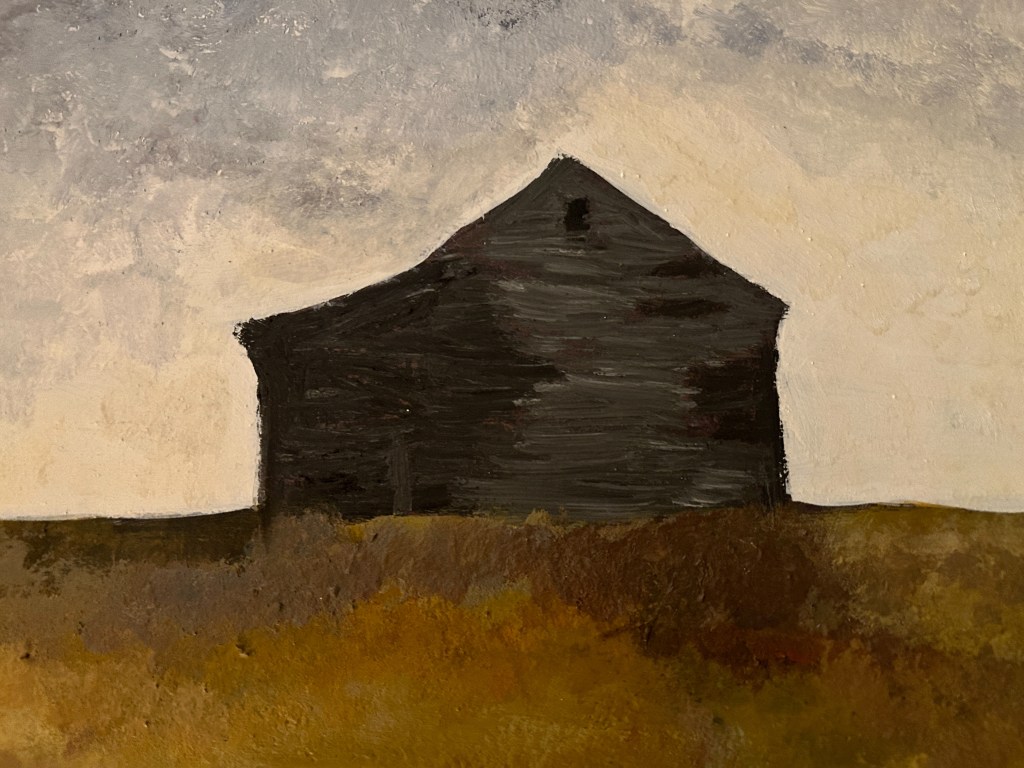
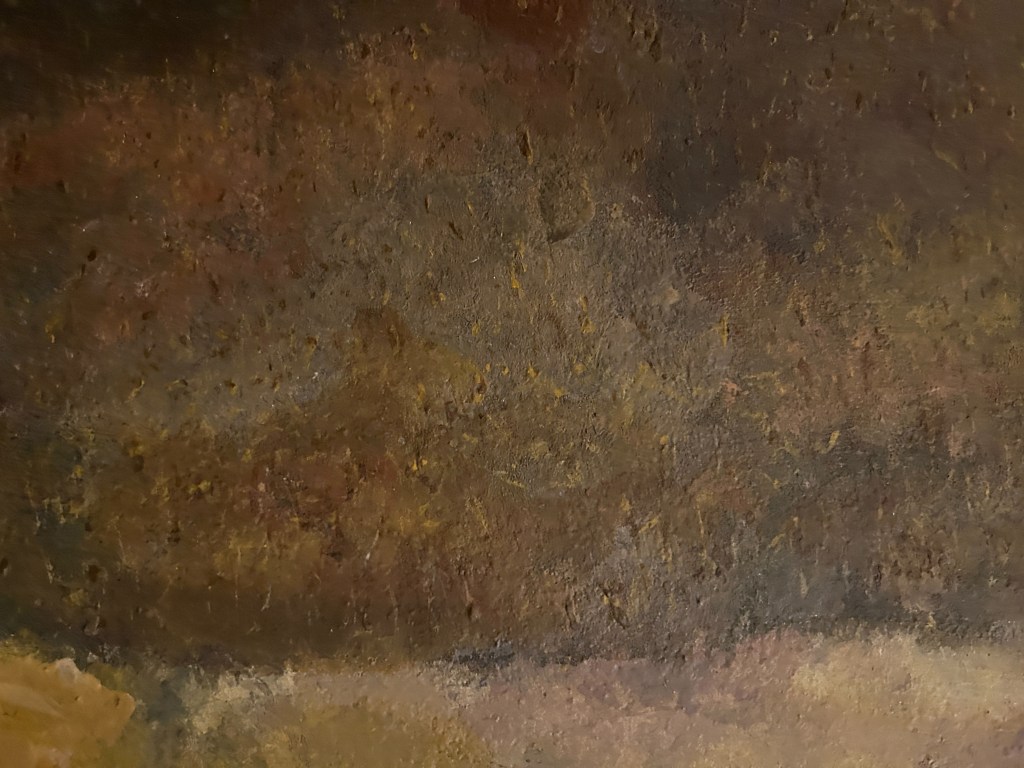
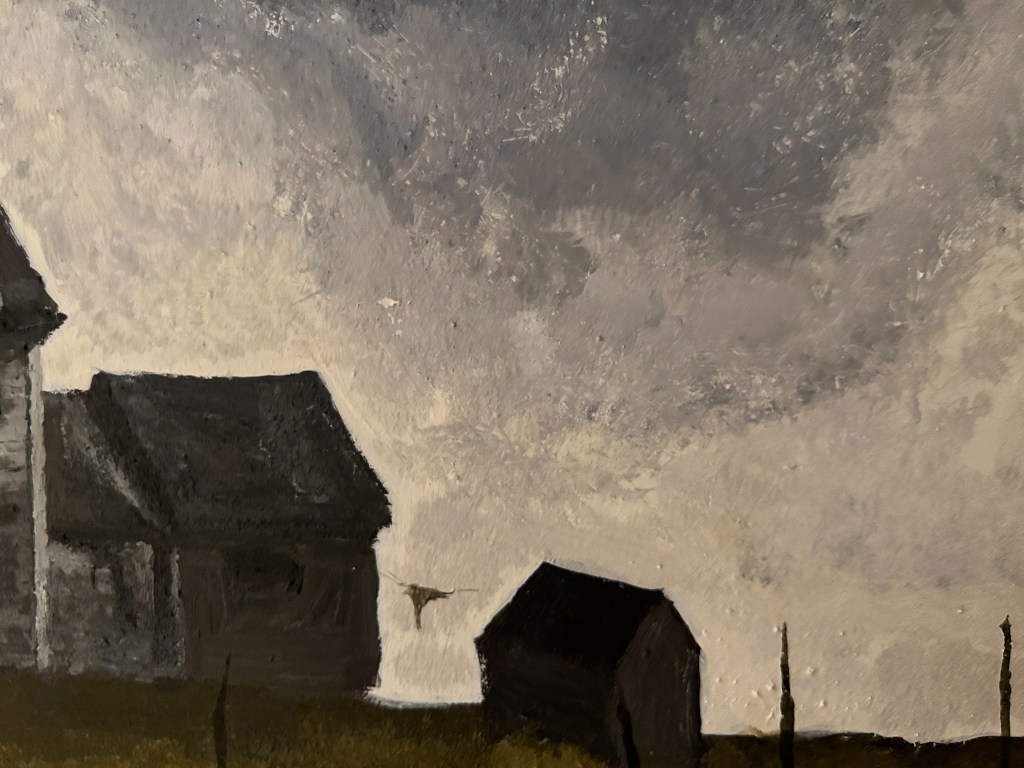

Compared to the confidence I feel in my art, there is a constant struggle with the work space; with the haunting feeling I’m doing nothing right, I have no skills, and I’m not contributing. I found that as I spoke with other creatives in said work spaces this feeling of insecurity was common. To explore this feeling of being unstable my disability lent me in a work place I decided to explore a space I found uninhabitable as an artist, yet one I longed to belong to. Most of my work being digital and experimental, the focus on the art object is something I’ve often not been able to engage with. Painting is also emblematic of my inexperience and fear of failure. I had always considered painting as something I was not only inexperienced in, but actively bad at. Just as I longed to feel capable in these work spaces, I was often jealous of the legitimacy and high visibility of these more traditional art objects lent to artists.
I wanted to work in recreation as a representation of this need to belong. Recreating a painting with absoutly no experience, also echoing the way many of us must learn on the job. When choosing a painting, I continually found myself presented with Christina’s World by Andrew Wyeth.
“Mayo Clinic pediatric neurologist Marc Patterson also made a painting diagnosis. In Andrew Wyeth’s 1948 painting Christina’s World, Patterson spotted the disease responsible for the awkward position of the picture’s central figure, who was Wyeth’s neighbor in rural Maine…Patterson believes she suffered from Charcot-Marie-Tooth disease, a hereditary condition of the peripheral nerves that afflicts about 2.8 million people worldwide. It’s fun detective work, but can also serve a serious purpose. Some medical schools, including Harvard and Yale, have courses to help doctors improve their attention to detail by diagnosing conditions in famous paintings” (Daley).
There is a haunting familiarity in the way in which the depicted Christina is spoken of here. With such a cold authority. It seems only logical that the medical industry would seek to gamify diagnosis with the perfect subjects; those without voice or consequence. This practice was problematized even further when I discovered that the body of Christina shown in Chrsitina’s World is not the body of Anna Christina Olson, but of the artist’s wife (Hoptman). The irony struck me even further – this woman was being diagnosed from within a body and position that wasn’t even hers. Yet, this misrepresentation presented me with the opportunity to remedy it.
Daley, Jason. “Doctors Diagnose Diseases of Subjects in Two Famous Paintings.” Smithsonian.Com, Smithsonian Institution, 26 May 2016, http://www.smithsonianmag.com/smart-news/doctor-will-frame-you-now-mds-diagnose-diseases-two-famous-paintings-180959227/. Hoptman, Laura. One on One: Andrew Wyeth’s Christina’s World. MoMA. 2 May 2023, http://www.moma.org/magazine/articles/895.
no expereince (2023)
Tempera
 Jinian Raine Harwig